
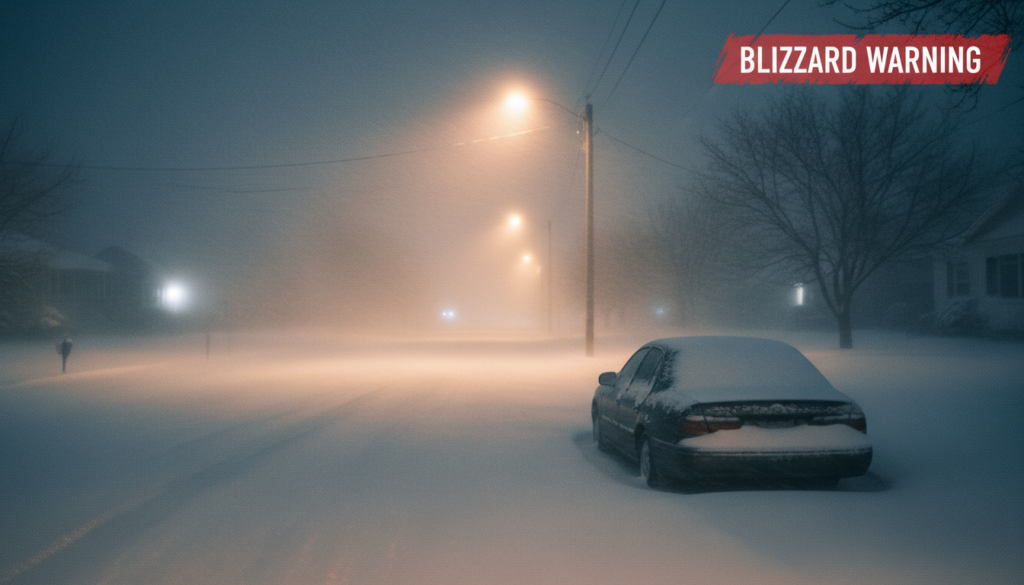
When the National Weather Service (NWS) issues a blizzard warning, it is not just a prediction of snow; it is a declaration of immediate danger. For residents across the United States—from the frozen plains of the Dakotas to the bustling corridors of the Northeast—understanding the severity of this alert can be the difference between a cozy snow day and a life-threatening emergency.
A blizzard is the beast of winter weather. It combines heavy snowfall (or blowing snow) with fierce winds, resulting in blinding whiteout conditions that paralyze transportation and infrastructure. Whether you are a seasoned veteran of Nor’easters or new to a region prone to severe winter weather, preparation is non-negotiable.
In this comprehensive guide, we will break down exactly what a blizzard warning entails, how it differs from other winter alerts, and the actionable steps you must take to protect your home, your car, and your family.
Understanding the Alert: What is a Blizzard Warning?
Many Americans use the term “blizzard” loosely to describe any big snowstorm, but meteorologically, the definition is strict. The NWS issues a Blizzard Warning only when life-threatening conditions are imminent or occurring.
To qualify as a blizzard, a storm must meet all of the following criteria for a period of three hours or longer:
- Sustained Winds or Frequent Gusts: Winds must be blowing at or above 35 mph.
- Reduced Visibility: Considerable falling and/or blowing snow must reduce visibility to less than 1/4 mile.
Crucial Note: A blizzard does not necessarily require heavy falling snow. “Ground blizzards” occur when high winds pick up loose snow already on the ground, creating whiteout conditions even without new precipitation. This is a common phenomenon in the Midwest and Great Plains.
Watch vs. Warning: Know the Difference
Confusion between watches and warnings can lead to complacency. Here is how the NWS hierarchy works:
- Blizzard Watch: Conditions are favorable for a blizzard in the next 12 to 48 hours. This is your signal to prepare. Check your supplies, charge your electronics, and change travel plans.
- Blizzard Warning: Dangerous conditions are happening now or will happen very soon. This is your signal to act. Seek shelter immediately and stay off the roads.
The Hidden Dangers of a Blizzard
Why are these storms so dangerous? It isn’t just the cold; it’s the combination of factors that create a cascading series of risks.
1. Whiteout Conditions
When visibility drops to near zero, orientation becomes impossible. If you are driving, you may not see the road, other cars, or ditches. If you are on foot, you can become lost in your own backyard. Emergency services often cannot respond to calls during the height of a blizzard due to these conditions.
2. Hypothermia and Frostbite
Blizzards bring extreme wind chills. If your power goes out or you are stranded in a vehicle, the risk of hypothermia (a drop in body temperature) and frostbite increases rapidly. In severe wind chill, frostbite can occur on exposed skin in under 10 minutes.
3. Carbon Monoxide (CO) Poisoning
Every year, Americans die during blizzards due to CO poisoning. This usually happens when residents use generators indoors, use gas stoves for heat, or sit in idling cars where the tailpipe has become obstructed by snow drift.
Home Preparedness: Fortifying Your Castle
When a blizzard warning pops up on your phone, your goal is to be self-sufficient for at least 72 hours. Power outages are likely, and travel will be impossible.
The Emergency Survival Kit
Do not wait until the snow starts falling to run to the grocery store. Panic buying often leaves shelves empty of essentials. Your home kit should include:
- Water: One gallon per person, per day, for at least three days.
- Food: A three-day supply of non-perishable food (canned goods, protein bars, dried fruit). Remember a manual can opener.
- Light and Power: Flashlights for every family member and a battery-powered or hand-crank radio (NOAA Weather Radio). Invest in high-capacity portable power banks to keep cell phones charged.
- First Aid: A comprehensive kit including bandages, antiseptics, and a supply of prescription medications.
- Heat Sources: If you have a fireplace, ensure you have dry wood. If using space heaters, ensure you have a safe power source. Heavy wool blankets and thermal sleeping bags are vital if the furnace dies.
Winterizing Your Home
- Insulate Pipes: Freezing pipes can burst and cause massive damage. Wrap exposed pipes in foam insulation.
- Check Detectors: Test your smoke alarms and carbon monoxide detectors. Fresh batteries are a must.
- Seal Drafts: Use weather stripping or draft stoppers on doors and windows to retain heat.
Vehicle Safety: Survival on the Road
The golden rule of a blizzard warning is: Do not drive. However, if you are caught on the road when the warning is issued, or if evacuation is mandated, your vehicle must be equipped to save your life.
The Car Emergency Kit
Your trunk should always contain a “winter survival box” during the cold months. This should include:
- Sand or Kitty Litter: For traction if you get stuck in ice or snow.
- Collapsible Snow Shovel: To dig your tires out.
- Ice Scraper and Brush: Essential for visibility.
- Jumper Cables: Cold weather drains car batteries fast.
- Warmth: A dedicated set of boots, gloves, hats, and a sleeping bag kept permanently in the car.
- Signaling: Road flares or a bright red distress flag.
If You Are Stranded
If your vehicle slides off the road or becomes stuck in a drift:
- Stay with the vehicle. It is your best shelter. wandering into a whiteout is deadly.
- Run the engine sparingly. Run it for 10 minutes every hour to generate heat.
- Check the exhaust. Ensure the tailpipe is clear of snow to prevent CO buildup in the cabin.
- Make yourself visible. Tie a bright cloth to the antenna or door handle. Turn on the dome light at night when the engine is running.
Protecting Your Pets
Do not forget your four-legged family members. During a blizzard warning:
- Bring them inside. If it is too cold for you, it is too cold for them.
- Wipe their paws. Salt and de-icing chemicals can irritate paws and are toxic if ingested.
- Stock up. Ensure you have extra pet food and any necessary medications.
The Aftermath: Shoveling and Recovery
Once the winds die down and the sun comes out, the work isn’t over. The “heart attack snow” phenomenon is real. Shoveling heavy, wet snow places a massive strain on the heart, especially in cold temperatures that constrict blood vessels.
- Pace Yourself: Take frequent breaks.
- Push, Don’t Lift: Push the snow whenever possible rather than lifting heavy loads.
- Stay Hydrated: You are exercising, even if it is cold.
- Clear Vents: Check your home’s exterior vents (dryer, furnace) to ensure they aren’t blocked by drifts, which creates a CO hazard indoors.
Essential Gear Checklist (High-Intent Items)
To truly be prepared for the next blizzard warning, consider investing in high-quality gear that ensures safety and continuity of life.
- Portable Generators: A dual-fuel generator can keep your refrigerator running and lights on during extended outages.
- Sub-Zero Clothing: Invest in merino wool base layers and waterproof outer shells.
- Emergency Radios: A solar/hand-crank NOAA radio ensures you get updates even if the grid fails.
- Mr. Buddy Heaters: Indoor-safe propane heaters can be a lifesaver when the central heat fails (always follow ventilation instructions).
Conclusion: Respect the Warning
A blizzard warning is the National Weather Service’s way of telling you that nature is about to unleash its full force. It commands respect. By understanding the criteria, preparing your home and vehicle, and having the right gear on hand, you turn a potentially catastrophic event into a manageable inconvenience.
Stay informed, stay warm, and most importantly, stay off the roads when the warning is in effect. Winter in the United States is beautiful, but it requires vigilance to enjoy safely.